Health activists urge the government to be wary of the misleading tactics of the tobacco industry which causes substantial losses to the national exchequer each year https://www.thefridaytimes.com/2023/05/26/tobacco-industry-overcharges-consumers-and-underreports-production/...
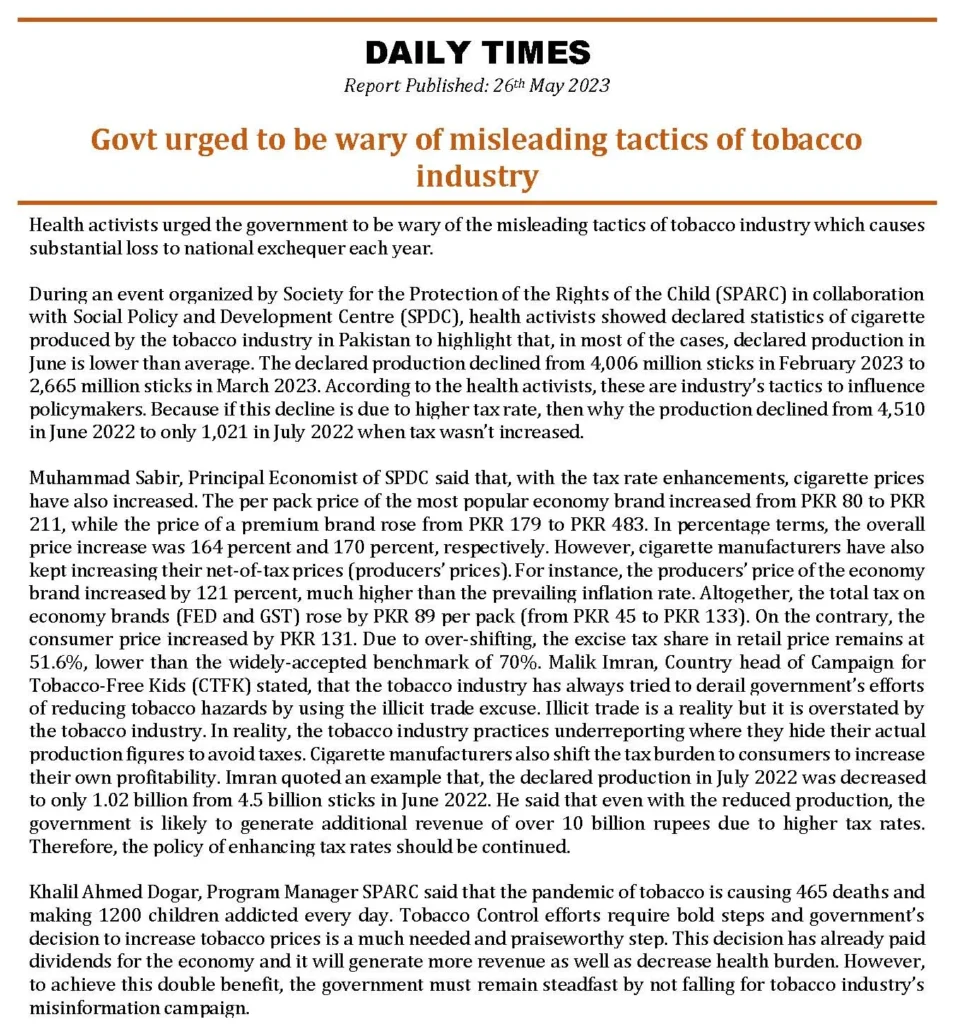
Health activists urged the government to be wary of the misleading tactics of tobacco industry which causes substantial loss to national exchequer each year. https://dailytimes.com.pk/1096801/govt-urged-to-be-wary-of-misleading-tactics-of-tobacco-industry/amp/ ...
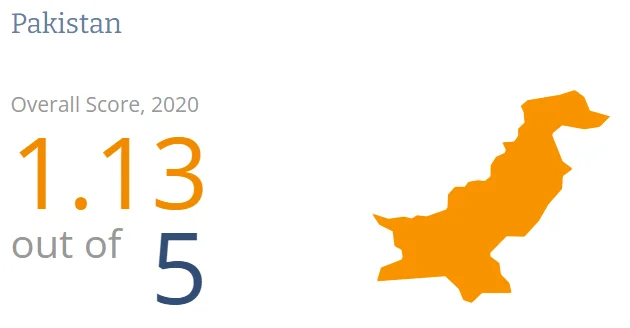
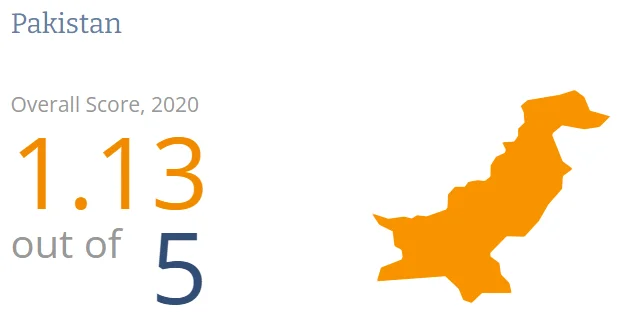
Pakistan has scored 1.13 points out of 5 on the cigarette tax scorecard, standing at 131st position among 160 countries, which is a manifestation of a lax tax policy towards the tobacco sector. https://epaper.brecorder.com/2021/11/20/4-page/908355-news.html ...
Pakistan has scored 1.13 points out of 5 on the cigarette tax scorecard, standing at 131st position among 160 countries, which is a manifestation of a lax tax policy towards the tobacco sector. https://epaper.brecorder.com/2021/11/20/4-page/908355-news.html...
Mian Nasser Hyatt Maggo, President FPCCI, has expressed his satisfaction over an MoU between Policy Advisory Board, FPCCI and Social Policy and Development Centre (SPDC) to conduct joint research studies on the issues pertaining to fiscal policies and macroeconomic framework, says a Press release. ...
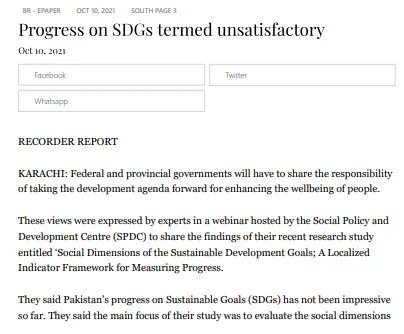
Federal and provincial governments will have to share the responsibility of taking the development agenda forward for enhancing the wellbeing of people. These views were expressed by experts in a webinar hosted by the Social Policy and Development Centre (SPDC) to share the findings of their recent...
While appreciating the analysis carried out by SPDC, Dr Pervez Tahir, Former Chief Economist at Government of Pakistan, endorsed the idea of statistical selectivity of the SDGs for the analysis. He also expressed his disappointment with the role of Federal and Provincial Governments when it comes to...
At a time when think-tanks are tanking or being replaced by think-this or -that, it is encouraging to see Social Policy and Development Centre (SPDC) maintaining its tradition, started in 1995, of producing an authentic annual report on issues skirted by the policymakers and tangential to the mainst...
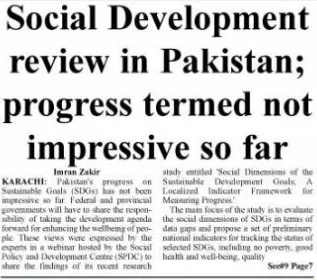
Pakistan’s progress on Sustainable Goals (SDGs) has not been impressive so far. Federal and provincial governments will have to share the responsibility of taking the development agenda forward for enhancing the wellbeing of people. https://epaper.thefinancialdaily.com/epaper/edition...
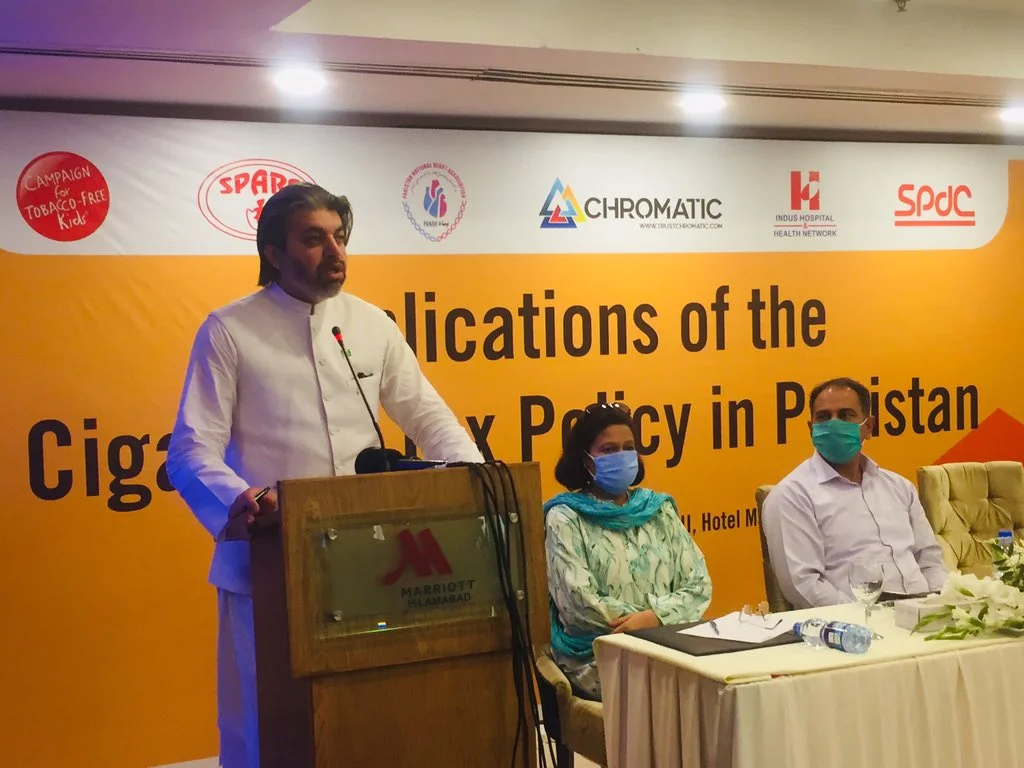
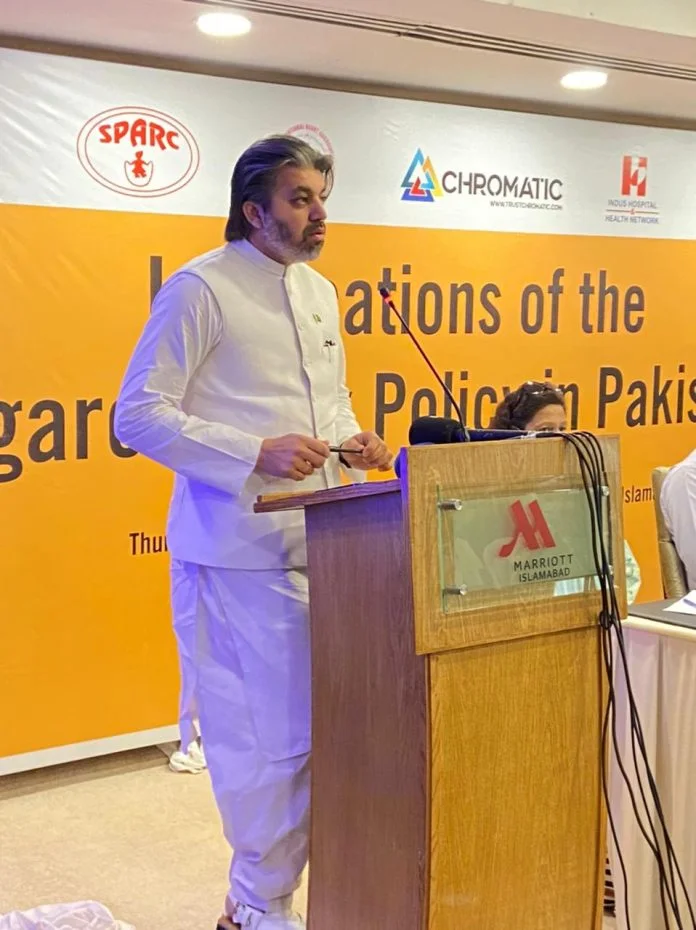
Minister of State for Parliamentary Affairs Ali Mohammad Khan on Thursday said the government will take all necessary measures to ensure the implementation of relevant laws to enhance tax on cigarettes. Speaking to participants of a seminar titled ‘Implications of the Cigarette Tax Policy in Pa...
Minister of State for Parliamentary Affairs Ali Muhammad Khan says government will take all necessary measures to ensure the implementation of all relevant laws to enhance tax on cigarettes to reduce health cost. Addressing a seminar in Islamabad, he said reformulation of the health strategy that...
Social Policy and Development Centre (SPDC) in collaboration with the Society for the Protection of the Rights of the Child (SPARC) organized a seminar on "Implications of the Cigarette Tax Policy in Pakistan" here at local hotel https://www.urdupoint.com/en/pakistan/seminar-on-implicat...
The speakers highlighted that enhancing the FED rate would help the government achieve its commitment to reducing tobacco use and tobacco-related morbidity, mortality, and associated economic costs. Such an increase would also advance Pakistan’s obligations as a signatory country to the WHO FCTC a...
ISLAMABAD, Pakistan: Ali Muhammad Khan, Minister of State for Parliamentary Affairs said that the government will take all necessary measures to ensure the implementation of all relevant laws to enhance tax on cigarettes to boost its revenue and reduce health costs. Speaking at a seminar on “Im...
The Social Policy and Development Centre (SPDC) hosted a webinar on ‘Cigarette Taxation in Pakistan.’ The purpose of this webinar was to discuss the implications of the cigarette tax policy of Pakistan for cigarette consumption, government revenues and health outcomes, particularly in the contex...